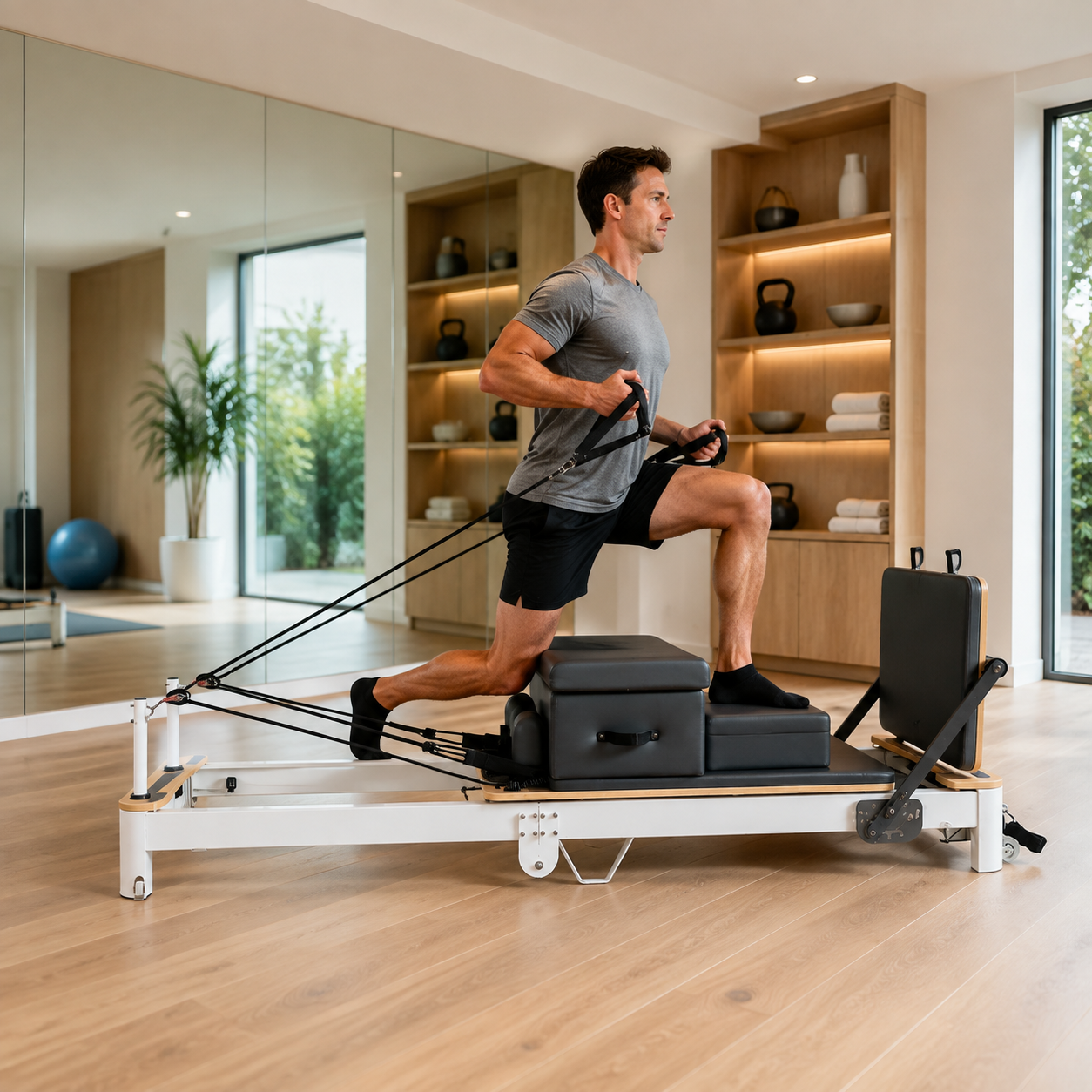
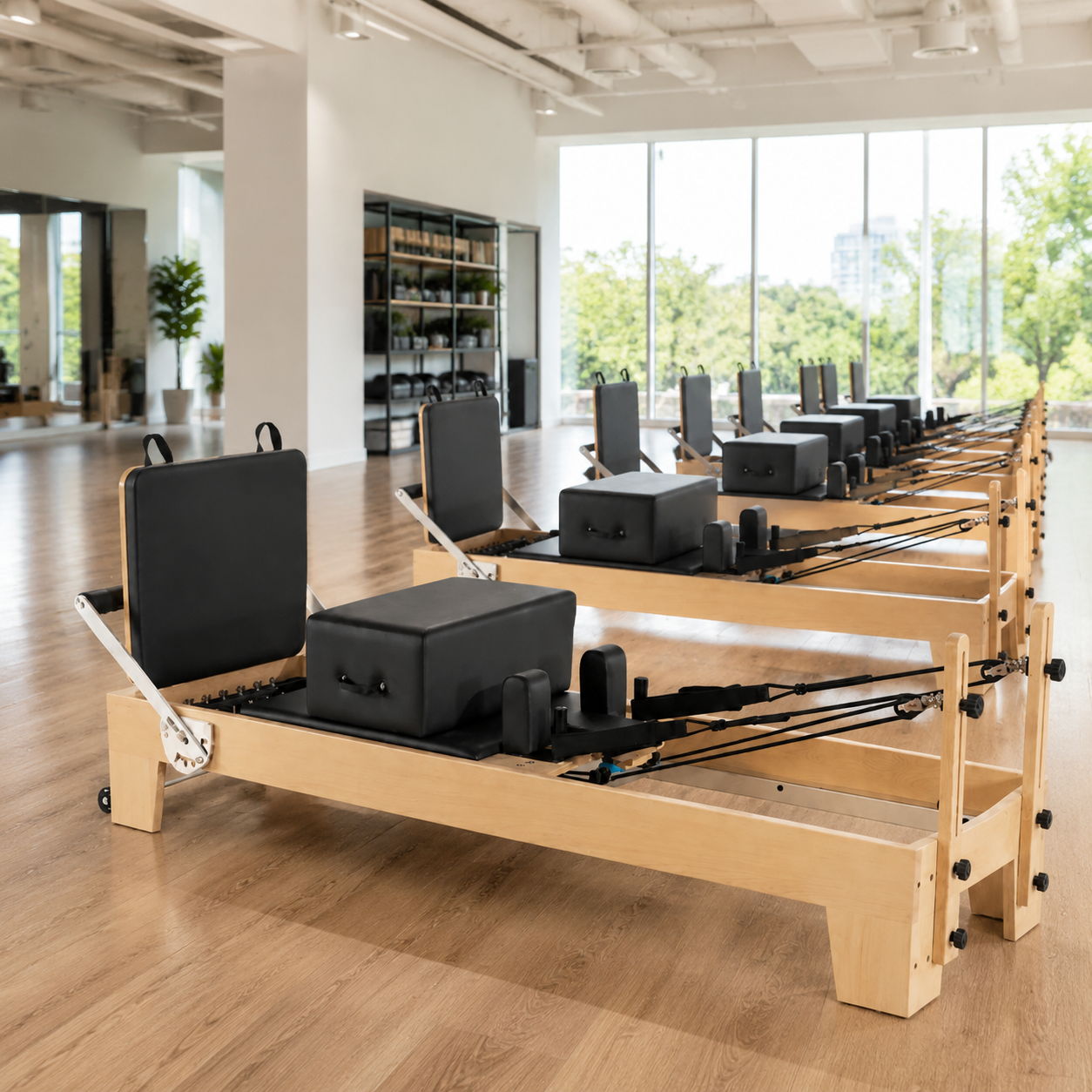
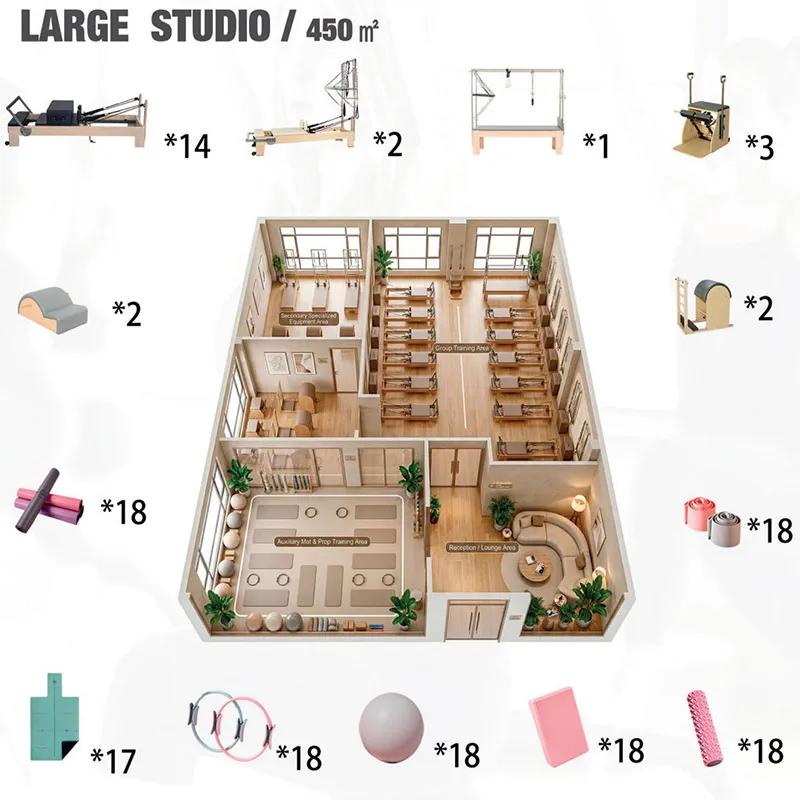
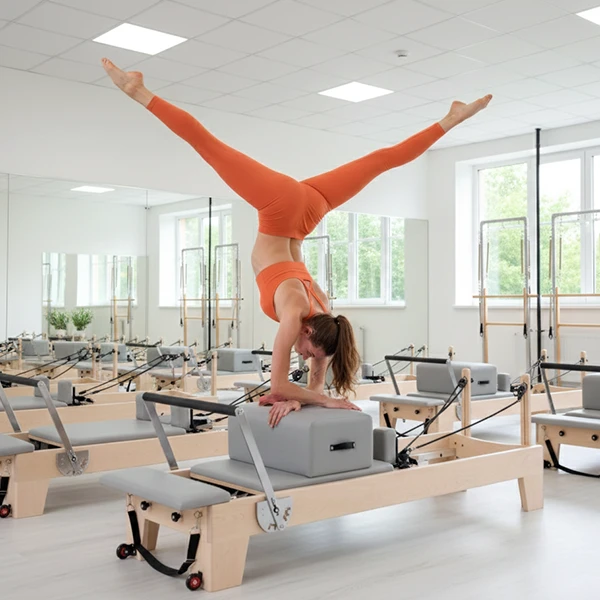
Pilates is a holistic exercise method designed to enhance overall muscle tone and improve core control. Its origins date back to the turbulent era of World War I, specifically within the confines of an internment camp. This unique and highly effective system of movement therapy is named after its founder, Joseph H. Pilates, and has evolved over 80 years into a globally recognized practice.
Today, “Pilates” is a term that encompasses any exercise regimen utilizing the movements developed by Joseph Pilates. These can be group fitness classes or one-on-one sessions tailored by an instructor to address specific injuries, muscle imbalances, or other physical issues. Group classes are particularly beneficial for office workers who often experience muscular imbalances from prolonged sitting and computer use, focusing on key areas like the abdominals, hips, shoulders, and back. Regular Pilates practice can correct posture, alleviate back and neck tension, address shoulder problems, and tone muscles in the arms and abdomen. Its effectiveness is so renowned that many professional athletes incorporate it into their training to prevent sports injuries.
The Inventor: Joseph Pilates
Born in Germany in 1883, Joseph Pilates was a frail child who dedicated himself to building his strength and studying various exercise therapies. By the age of 14, his physique had improved so dramatically that he was able to model for anatomical charts. He continued to refine his knowledge through practice, gradually developing his systematic approach to movement.

In 1912, he moved to England. During World War I, he used his unique exercise system to help rehabilitate fellow internees, gaining significant attention for its remarkable results. In 1926, Pilates emigrated to New York City. On the voyage there, he met his future wife, Clara, a nurse. Together, they opened the first Pilates studio on Fifth Avenue, offering targeted movement therapy to renowned dancers, actors, and athletes. The studio’s success and the method’s proven effectiveness quickly earned Pilates a stellar reputation across the United States, which eventually spread worldwide. Joseph Pilates continued to teach personally with his wife until around 1960. He passed away in 1967, but his legacy lived on as his principal student, Romana Kryzanowska, continued to operate the original studio.
Key Characteristics of Pilates
-
A Fusion of East and West: Pilates masterfully blends Western concepts of physical strength and muscle conditioning (focusing on the core, back, and chest) with Eastern principles of breath control, mindfulness, and flexibility, reminiscent of yoga and Tai Chi. Movements are deliberate and slow, coordinated precisely with the breath, making it suitable for all ages, especially sedentary individuals and office workers.
-
Focus on Lengthening and Flexibility: A cornerstone of Pilates is elongation. Unlike some forms of exercise that build bulk, Pilates emphasizes stretching and lengthening the muscles. It specifically targets the core muscles (including the transverse abdominis, internal and external obliques, rectus abdominis, and erector spinae), creating a flexible and resilient spine. This leads to improved body alignment and is highly effective in correcting neck and spinal issues.
-
Safety and Accessibility: The exercises are generally low-impact and performed in a controlled manner, minimizing stress on joints and muscles and reducing the risk of injury. The practice balances moments of tension with relaxation, incorporating both movement and mindful breathing. This helps practitioners develop better body awareness and prevent strain from poor posture. While equipment can be used, Pilates can be practiced with minimal gear—just a quiet space and a mat—making it highly accessible.
-
The Principle of Control: Pilates emphasizes precise movement control above all. This approach builds functional strength and endurance without adding significant muscle mass. By following the principle of low weight and high repetitions (in equipment-based work), it creates long, lean, and toned muscles. This makes it ideal for achieving a strengthened and sculpted physique, particularly targeting areas like the waist, abdomen, and glutes, aligning perfectly with modern aesthetic goals.
-
Simplicity and Versatility: The method is notably simple to learn, with gentle, flowing movements. It effectively targets the upper body while simultaneously enhancing overall flexibility. Crucially, it is not location-dependent; you can achieve a full-body workout equally well in a professional gym or your own living room.
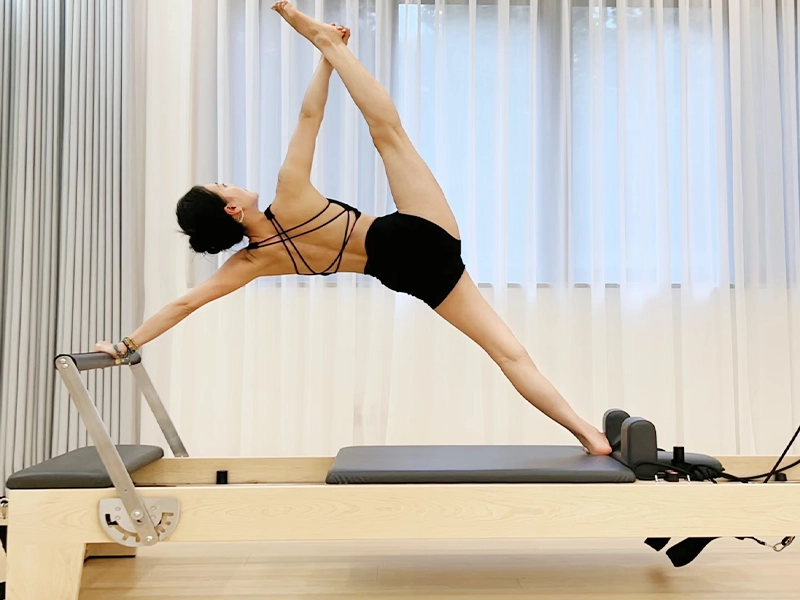
Experience the Benefits with Professional Equipment
To fully embrace the Pilates method and achieve optimal results, having the right equipment is key. The principles of control, resistance, and proper form are best supported by high-quality, durable apparatus.
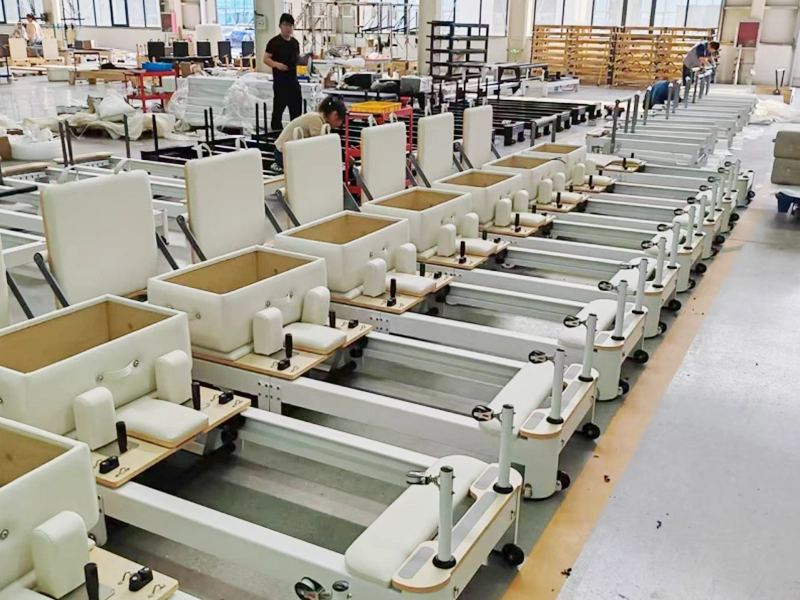
At [Your Factory Name], we specialize in manufacturing premium Pilates equipment designed for both studio and home use. From reformers and stability chairs to mats and accessories, our products are engineered with precision to support your practice, ensuring safety, durability, and effectiveness.
Ready to enhance your Pilates journey or equip your studio? Explore our catalog or contact us for wholesale and custom orders.
Contact Us Today!
Mobile: +86 152 5607 2832
WhatsApp: +86 152 5607 2832
Email: [email protected]
Website:https://www.pilatesgyms.com/
Address: CHINA • SHANGHAI